
Guide · E-411
Condo board EV charging in Calgary
Make the electrical plan and the ownership policy support each other.
CCT 01Establish demand and authority
Understand resident interest, parking rights and the corporation’s authority to alter common infrastructure. Get legal advice where needed on approvals and cost allocation. A resident survey is useful planning input, but it is not an electrical capacity study.
CCT 02Commission the building assessment
Have qualified people assess the service, distribution, available records and charging options. Compare load management and staged expansion with a physical service upgrade. The calculator provides illustrative arithmetic only and does not approve a number of chargers for the building.
CCT 03Choose a common architecture
Compare shared backbone infrastructure, individual connections and the proposed charging platform. Consider cable routes, access, future ports and how limited power is allocated. Ask what the actual overnight charging experience will be as adoption increases.
CCT 04Set the payment model
Identify common capital costs, resident installation costs, energy recovery, subscriptions and maintenance. Utility meters, submeters and charging-session billing can have different requirements. Obtain appropriate technical and legal advice for the selected arrangement.
CCT 05Procure for future change
Ask about interoperability, account ownership, recurring fees, communications failure and changing service providers. A low initial cost should not obscure a restrictive operating contract. Keep the design and the commercial agreement available to future boards.
CCT 06Implement and review
Coordinate access and notices, complete the permitted installation and commission the system. Give residents an onboarding and fault-reporting process. Monitor adoption and capacity against the original plan before approving additional ports.
CCT 07Put the guide to work
Related scope: EV charging: condos & multi-unit. Budget context: Commercial EV charging cost. Explore the EV parkade capacity tool for planning arithmetic.
These pages concern Calgary. Confirm the authority and wire-service provider for Airdrie, Rocky View County or another neighbouring municipality. The applicable permits and connection process may differ.
Questions people ask
What should I provide to obtain a useful quotation?
Describe the building, existing system, intended outcome, drawings status and operating constraints. For condo board ev charging, include the equipment and documents identified in this guide. Ask the bidder to state assumptions and exclusions.
Does this website carry out electrical work?
No. Calgary Commercial Electrician is a planning reference. It does not employ an installation crew, hold itself out as an electrical contractor or certify contractors. Any installation agreement is with the contractor you choose.
Can a calculator replace a design or load calculation?
No. The tools show planning arithmetic and assumptions. They do not establish code compliance, available capacity, conductor sizes or protective-device settings. Have the proposed work assessed by qualified professionals.
Can the work happen while the building stays occupied?
That depends on the system, scope and safe work plan. Explain which operations must continue and which interruptions can be arranged. Have the contractor and responsible designer identify shutdown and temporary-service requirements before agreeing a schedule.
Sources and further reading
Use the official links in this guide and the editorial standards. Scope and procurement checklists are editorial planning guidance, not quotations or installation instructions.
Related
-
 E-401
Commercial electrical permits in Calgary
Base-building and tenant permits, drawings at 600 A and above, plans review, annual permits, inspections and occupancy.
E-401
Commercial electrical permits in Calgary
Base-building and tenant permits, drawings at 600 A and above, plans review, annual permits, inspections and occupancy.
-
 E-402
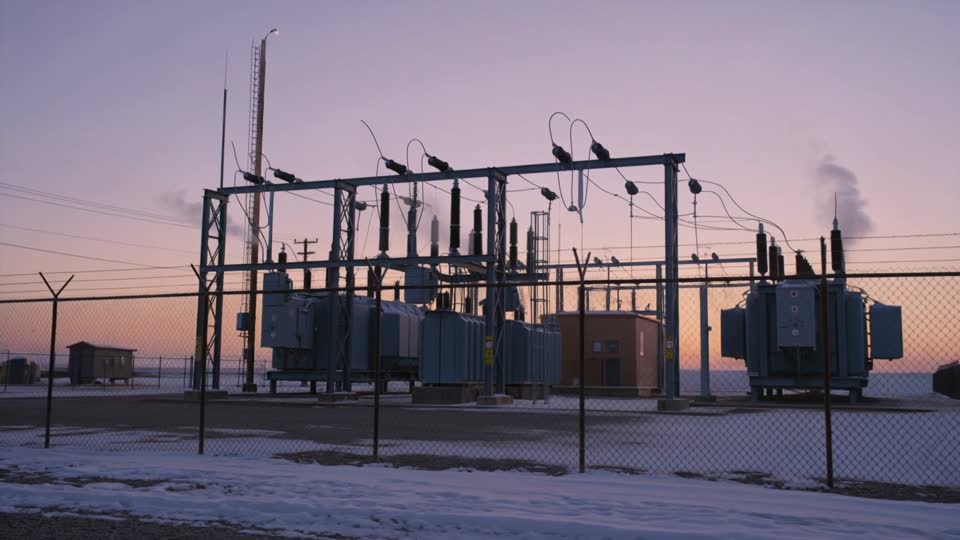
ENMAX commercial service connections
How a Calgary business gets a new or bigger service: the application, capacity, ENMAX’s investment, CT metering and energization.
E-402
ENMAX commercial service connections
How a Calgary business gets a new or bigger service: the application, capacity, ENMAX’s investment, CT metering and energization.
-
 E-403
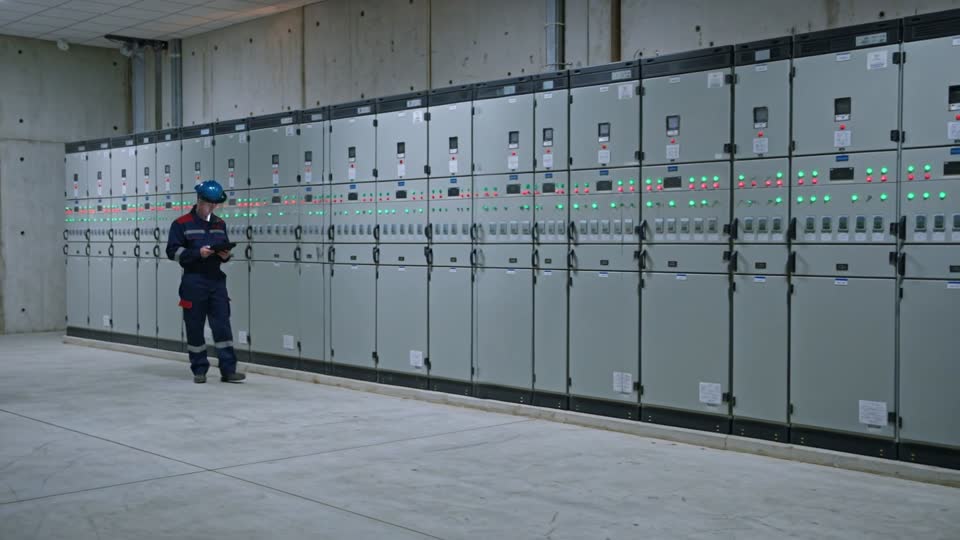
120/208 V vs 347/600 V
The two common Canadian commercial voltages: where each is used, why buildings choose 600 V, and what it means for equipment.
E-403
120/208 V vs 347/600 V
The two common Canadian commercial voltages: where each is used, why buildings choose 600 V, and what it means for equipment.