Guide · E-404
Engineer vs contractor in Calgary
Ask who is responsible for the design, the installation and the acceptance of each system.
CCT 01Different roles on the same project
The electrical contractor installs and coordinates the permitted work. An electrical engineer provides professional design and review where engaged or required. The authority reviews and inspects within its mandate. None of these roles should be assumed to replace the others.
CCT 02Confirm professional involvement early
Building size, use, complexity and the proposed work determine the applicable professional requirements. Calgary identifies drawings for new construction and service upgrades of 600 A or more, and high-voltage installations. Obtain project-specific advice before pricing a scope that assumes engineering is unnecessary. 1
CCT 03Design-build still needs a defined designer
A design-build proposal should identify the professional team, deliverables, reviews and permit responsibilities. The owner provides performance requirements and approves material changes. A single commercial contract can coordinate delivery without erasing professional obligations.
CCT 04Tendering needs a common document set
For design-bid-build, issue the same drawings, specifications and addenda to every bidder. Record assumptions and questions through a common process. A bidder who has priced a different design has not submitted a comparable price, even if the headline total is attractive.
CCT 05Field review and commissioning are separate scopes
State who reviews installed work, resolves design changes, witnesses testing and prepares final records. Manufacturer start-up, fire alarm verification and integrated system testing may require additional parties. Include their attendance and documentation in the contracts.
CCT 06Retain usable records
The owner needs the final drawings and the right to use relevant deliverables for operation and future work. Clarify model files, software access and document ownership before awarding the project. Keep changes made during construction in the final record.
CCT 07Put the guide to work
Related scope: Design-build electrical. Budget context: Electrical cost per square foot. Explore the Service capacity & headroom tool for planning arithmetic.
These pages concern Calgary. Confirm the authority and wire-service provider for Airdrie, Rocky View County or another neighbouring municipality. The applicable permits and connection process may differ.
Questions people ask
What should I provide to obtain a useful quotation?
Describe the building, existing system, intended outcome, drawings status and operating constraints. For engineer vs contractor, include the equipment and documents identified in this guide. Ask the bidder to state assumptions and exclusions.
Does this website carry out electrical work?
No. Calgary Commercial Electrician is a planning reference. It does not employ an installation crew, hold itself out as an electrical contractor or certify contractors. Any installation agreement is with the contractor you choose.
Can a calculator replace a design or load calculation?
No. The tools show planning arithmetic and assumptions. They do not establish code compliance, available capacity, conductor sizes or protective-device settings. Have the proposed work assessed by qualified professionals.
Can the work happen while the building stays occupied?
That depends on the system, scope and safe work plan. Explain which operations must continue and which interruptions can be arranged. Have the contractor and responsible designer identify shutdown and temporary-service requirements before agreeing a schedule.
Sources
- Electrical permits for contractorsCity of Calgary · retrieved 2026-09-25
Related
-
 E-401
Commercial electrical permits in Calgary
Base-building and tenant permits, drawings at 600 A and above, plans review, annual permits, inspections and occupancy.
E-401
Commercial electrical permits in Calgary
Base-building and tenant permits, drawings at 600 A and above, plans review, annual permits, inspections and occupancy.
-
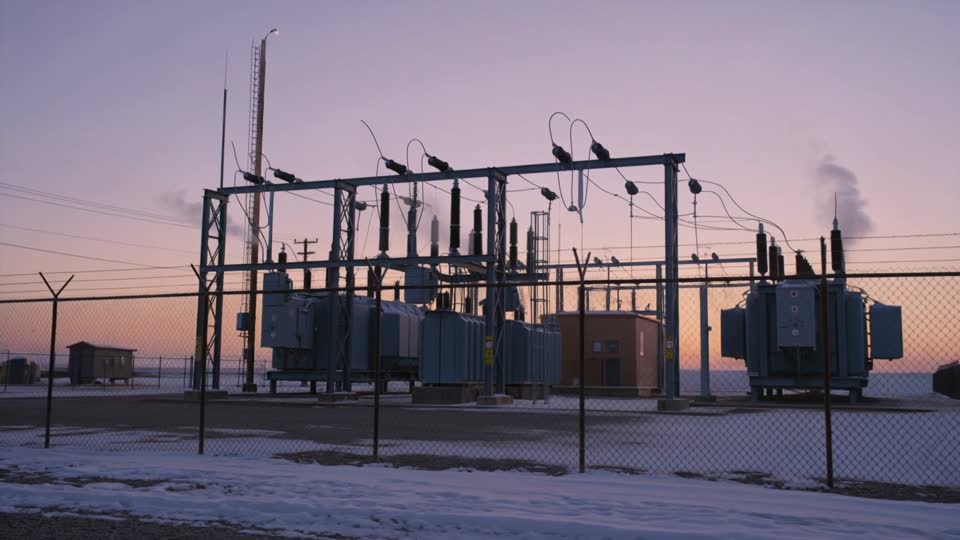 E-402
ENMAX commercial service connections
How a Calgary business gets a new or bigger service: the application, capacity, ENMAX’s investment, CT metering and energization.
E-402
ENMAX commercial service connections
How a Calgary business gets a new or bigger service: the application, capacity, ENMAX’s investment, CT metering and energization.
-
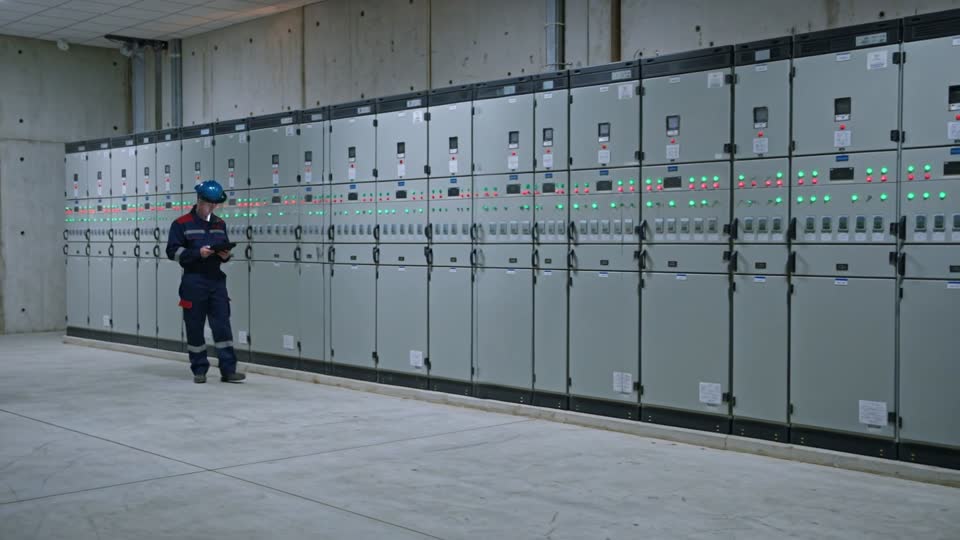 E-403
120/208 V vs 347/600 V
The two common Canadian commercial voltages: where each is used, why buildings choose 600 V, and what it means for equipment.
E-403
120/208 V vs 347/600 V
The two common Canadian commercial voltages: where each is used, why buildings choose 600 V, and what it means for equipment.