Service · E-113
Arc flash studies in Calgary
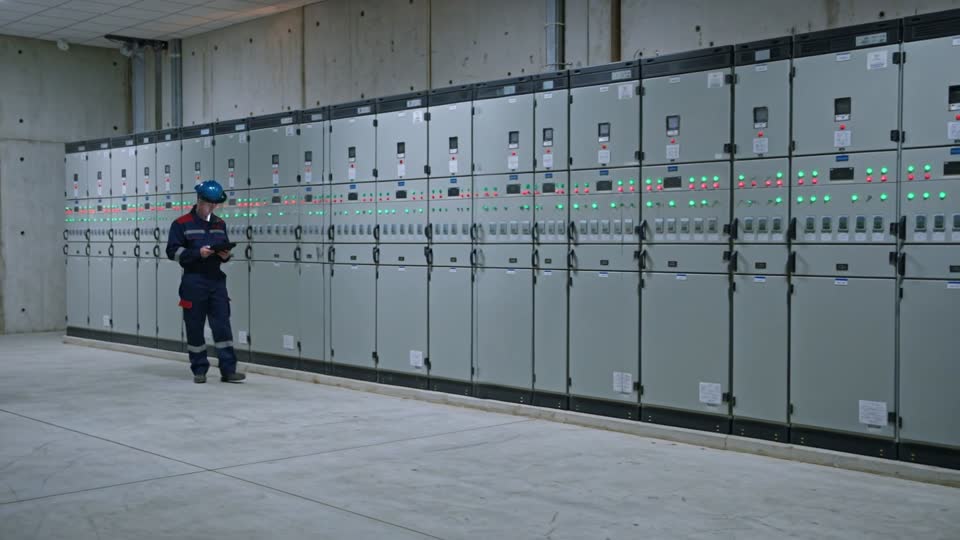
Commission a defensible system model, not just a set of labels.
CCT 01Start with the right decision
An arc flash assessment relies on the actual distribution system, protective devices and operating conditions. Outdated drawings and assumed settings can undermine the result. Define the study boundary and data-collection work before comparing prices. Short-circuit, coordination and arc flash analyses answer related but different questions.
CCT 02What to put in the scope
| Package | Confirm before award |
|---|---|
| Drawing review and field data collection | Included deliverable, investigation limits and design responsibility |
| Utility fault-data coordination and system modelling | Supplier, specification, exclusions and approval process |
| Protection coordination and assessment deliverables | Access, other-trade interfaces and interruption requirements |
| Labels, findings and integration into the safety program | Testing evidence, records and the person accepting completion |
Use this as a discussion checklist. The contract should assign each item to a named party and identify anything excluded. Ask for unclear existing conditions to be investigated before they become assumptions in a fixed price.
CCT 03Who needs to coordinate
The owner provides records and access; qualified personnel gather equipment information; the responsible specialist develops and reviews the model. The electrical safety program remains an employer responsibility. A label alone does not authorize energized work or define every precaution for a task.
CCT 04A practical project sequence
Agree the equipment list, operating modes and study method. Resolve missing data and record assumptions. Review recommendations before changing protective settings. Update drawings and labels to match the accepted final configuration and retain the model for future changes.
Read the Commercial electrical permits in Calgary and ENMAX commercial service connections guides when planning approvals and service changes.
CCT 05What changes the price
Equipment count, inaccessible data, shutdown requirements and model complexity drive cost. Ask whether the proposal includes site collection, utility coordination, editable model files and a revision after implementation. Avoid treating an old study as current after distribution changes.
Continue with Arc flash study & thermography cost and the Comparing electrical bids checklist. Compare like-for-like scope before comparing totals.
CCT 06Calgary requirements and safety
- OHS Code Part 15 (Managing the Control of Hazardous Energy) requires hazardous energy to be isolated with a secured energy-isolating device before equipment is serviced, repaired, tested, adjusted or inspected. 1
- The 2024 Canadian Electrical Code, Part I (CSA C22.1-24, 26th edition) is the electrical code in force in Alberta, declared in force on April 1, 2025. 2
Electrical safety
This is planning information, not instructions for electrical work. Do not open equipment, approach exposed energized parts or attempt repairs. Use qualified professionals and an appropriate safety plan. For immediate danger, fire or a person in contact with electricity, call 911.
These pages concern Calgary. Confirm the authority and wire-service provider for Airdrie, Rocky View County or another neighbouring municipality. The applicable permits and connection process may differ.
CCT 07What the owner should receive
Keep the report, model ownership terms, assumptions, drawings and implemented settings together. Establish a review process when equipment, supply or operating configurations change.
Keep proposed work, accepted changes, inspection evidence and remaining deficiencies together. A verbal assurance is difficult for the next property manager or maintenance contractor to use.
CCT 08Apply the scope to your building
Industrial & manufacturing · Data centres & server rooms · Property & facility management
Select the industry guide for its equipment, access and operating considerations. The electrical scope should reflect the actual business and building, not simply its floor area.
Questions people ask
What should I provide to obtain a useful quotation?
Describe the building, existing system, intended outcome, drawings status and operating constraints. For arc flash studies, include the equipment and documents identified in this guide. Ask the bidder to state assumptions and exclusions.
Does this website carry out electrical work?
No. Calgary Commercial Electrician is a planning reference. It does not employ an installation crew, hold itself out as an electrical contractor or certify contractors. Any installation agreement is with the contractor you choose.
Can a calculator replace a design or load calculation?
No. The tools show planning arithmetic and assumptions. They do not establish code compliance, available capacity, conductor sizes or protective-device settings. Have the proposed work assessed by qualified professionals.
Can the work happen while the building stays occupied?
That depends on the system, scope and safe work plan. Explain which operations must continue and which interruptions can be arranged. Have the contractor and responsible designer identify shutdown and temporary-service requirements before agreeing a schedule.
Sources
- Occupational Health and Safety Code, Alta Reg 191/2021 (office consolidation)Alberta King's Printer · Consolidation current as of March 31, 2025 (amendments to AR 210/2024); retrieved 2026-09-25
- Electrical codes and standardsGovernment of Alberta · retrieved 2026-09-25
Related
-
 E-101
Tenant improvements
Office, retail and restaurant fit-outs: what the base building provides, what the tenant’s electrical scope covers, the drawings and the permits.
E-101
Tenant improvements
Office, retail and restaurant fit-outs: what the base building provides, what the tenant’s electrical scope covers, the drawings and the permits.
-
 E-102
Commercial service upgrades
Raising a building’s service: capacity checks, the ENMAX application and investment, CT metering, drawings and the shutdown.
E-102
Commercial service upgrades
Raising a building’s service: capacity checks, the ENMAX application and investment, CT metering, drawings and the shutdown.
-
 E-103
Three-phase power
New three-phase services and single-to-three-phase conversions for equipment, kitchens, shops and EV charging.
E-103
Three-phase power
New three-phase services and single-to-three-phase conversions for equipment, kitchens, shops and EV charging.